Table of Content
Avoid asking your doctor for antibiotics for a cold or using old antibiotics you have on hand. You won't get well any faster, and inappropriate use of antibiotics contributes to the serious and growing problem of antibiotic-resistant bacteria. Experts agree that these shouldn't be given to younger children. Overuse and misuse of these medications can cause serious damage.

Although normal amounts of ginger in food rarely causes side effects, excessive amounts may cause heartburn and indigestion. Ginger should be avoided two weeks before or after surgery. Pauling proposed that 1,000 mg of vitamin C daily could reduce the incidence of colds for most people.
Easy Home Remedies For Cold And Cough That Will Amaze You!
If you want to enhance the taste add few drops of honey to it. Brandy and honey– Brandy has a warm tendency and helps in providing the much-needed warmth and heat to the chest. Few drops of honey and a teaspoon of brandy when mixed together helps in fighting cough.
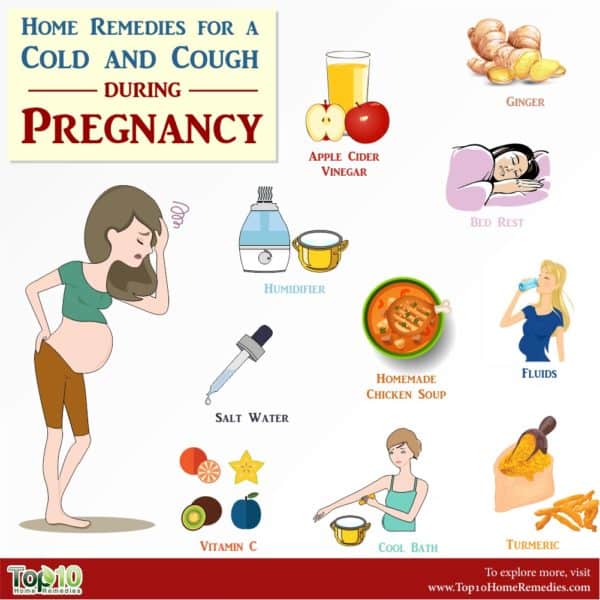
If you know you’re sick, avoid going to work, school, or other places where you’ll be in contact with others. To help protect against the flu, make sure to get your annual flu shot, usually starting in October. Although the herb is generally considered safe, doctors don’t recommend marshmallow root and leaves for children. Always speak with a doctor before taking new supplements, especially if you’re taking other medications or supplements. There’s slight evidence to suggest that bromelain — an enzyme found only in the stem and fruit of pineapples — may help suppress coughs.
Vitamin C
If you do not have nose spray or drops, warm water will work fine. Breastfeeding is still recommended for infants with common colds. If it is difficult for your baby to feed at the breast, expressing breastmilk into a cup or bottle may be an option.

Its active compound, curcumin, has potent anti-inflammatory properties. Children or adults who take blood thinners shouldn’t take bromelain supplements. Also, if you’re taking antibiotics, such as amoxicillin, avoid using bromelain, as it can increase the absorption of the antibiotic.
Try These 5 Effective Home Remedies For Cough (Dry & Wet Cough) That Might Help You Feel Better:
Many might not know but drinking pineapple juice when suffering from cold is an effective home remedy. All you need to do is mix one tablespoon of honey in half a cup of warm pineapple juice. Let’s make the home remedies for cough and cold a little more delicious. It is widely known that pineapple has an enzyme called Bromelain with anti-inflammatory properties. It is often advised to drink pineapple juice to subdue the cough. Ginger Inhalation- Ginger has many medicinal properties and helps in reducing the inflammation of blood vessels.
Since the reason behind cold is a virus, there is no cure. Your immune system should do the trick by producing antibodies against the virus. Coronaviruses-These viruses are active in spring and winter. Usually, they are not dangerous, but they may cause a severe acute respiratory syndrome.
However, the same review didn’t find honey significantly more effective than dextromethorphan , an OTC cough suppressant. Verywell Health uses only high-quality sources, including peer-reviewed studies, to support the facts within our articles. Honey turns out to be better than cough medicine for quelling the hack of winter .
Garlic is also known to boost immunity and lower the risk of lifestyle diseases like hypertension. Garlic is also believed to promote sweating, thereby lowering fever. The ideal remedy is to boil garlic and jaggery in milk for 5 minutes, strain, and drink.
Let the mixture cool to room temperature before gargling. Although recent findings question the use of echinacea for colds and flu, it’s still one of the most popular herbs used today. A 2005 study by the National Center for Complementary and Alternative Medicine found that echinacea did little to prevent or shorten the common cold. There were many critics of the study, who say that the study shouldn't be used as evidence that echinacea doesn't work. The Cochrane Collaboration conducted a review of 15 studies on echinacea, however, and found that it wasn't more effective than a placebo at preventing colds. Turmeric milk is prized for its superb health-benefitting properties, not just in India but all across the globe.

Milk can make the mucus thicker, but your body won’t suddenly start producing more mucus if you drink milk. On the contrary, milk together with turmeric can be very useful for fighting cold and cough. Ginger is one of the best home remedies for cough and cold. You can either chew raw ginger, or take it in tea, or any hot beverage. Constant coughing can often leave your chest aching. You must keep yourself hydrated, which helps to keep the mucous membranes moist so that it can be easily flushed out.
It’s common in spring, summer and early fall and it’s highly contagious. These viruses are responsible for almost 40% of all colds. It can also cause ear infections, sinus infections and in severe cases pneumonia. The best medicine is rest, but unfortunately, some of us might not be able to afford such a luxury.
Tulsi also aids healing, due to which it’s a popular herb among patients in general. Simply boil tulsi leaves with cumin in water and simmer for 5 minutes. Apparently, chicken soup isn’t just for the soul – it also works well against a cold! In general, it is important to stay hydrated with fluids during a cough or fever since higher temperatures can cause water loss from the body. Warm fluids offer symptomatic relief, by soothing inflamed membranes of the airways. Chicken soup slows down the movement of neutrophils, helping them focus on healing the areas of the body that need it.




No comments:
Post a Comment